In food production, temperature is not a comfort setting — it is the safety margin. Green Hill wanted to know that margin was holding, not assume it.
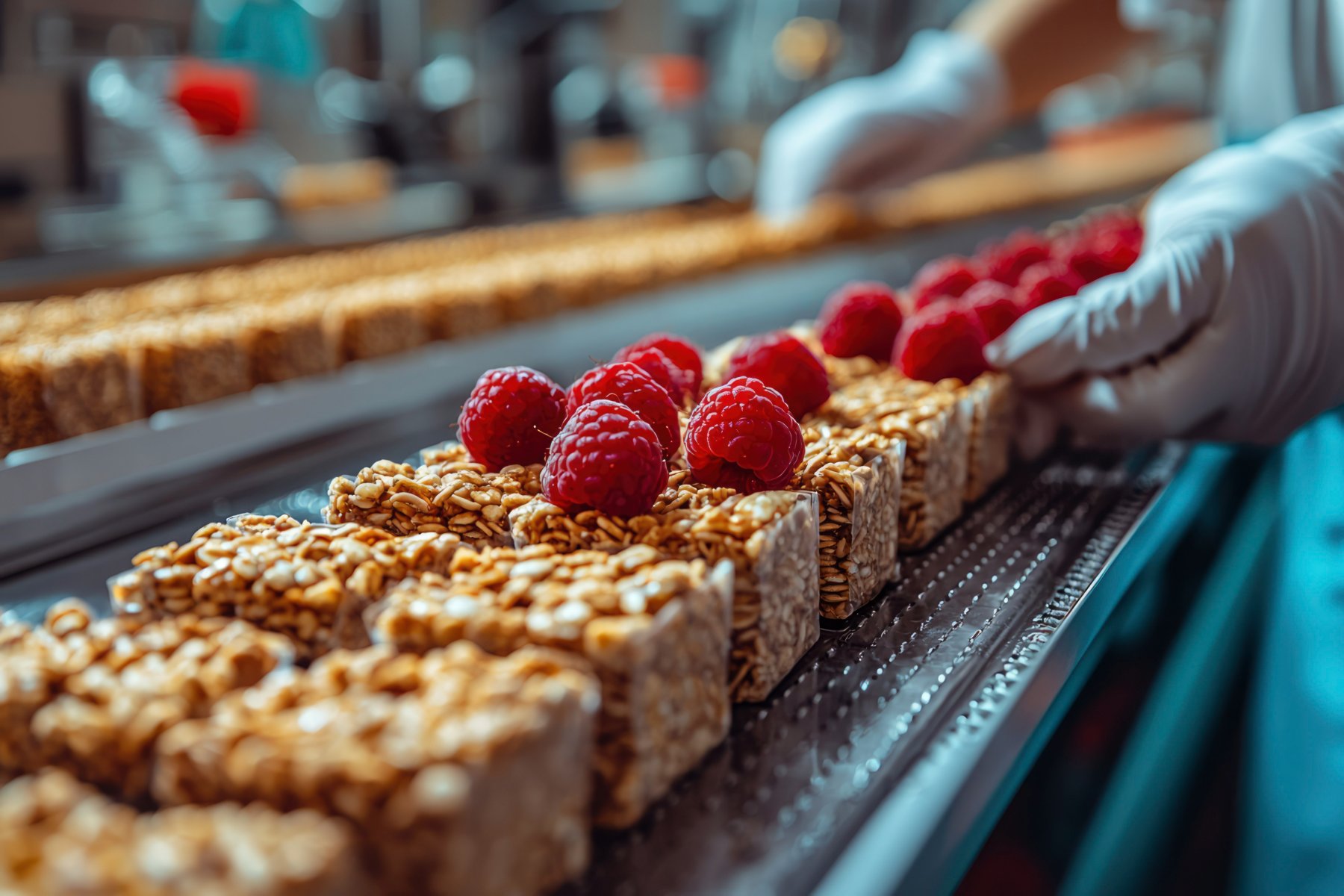
The cooling systems were trusted. The environment itself was not measured.
Like most food businesses, Green Hill relied on their cooling equipment doing its job — a reasonable assumption, and usually a correct one. What was missing was a way to see it.
- The equipment was in place and working, but the conditions it produced were not measured continuously.
- A reading taken now and then says what the temperature was at that moment, not what it was overnight.
- If something had drifted briefly, there was no record to show whether it happened — or that it did not.
Four sensors. The hall and the stores.
A small, focused installation covering the two places where temperature decides whether the product is safe.
Storage
Where raw materials and finished products are held. The sensors confirm that stock stays below its safe temperature limit from delivery to dispatch.
Production hall
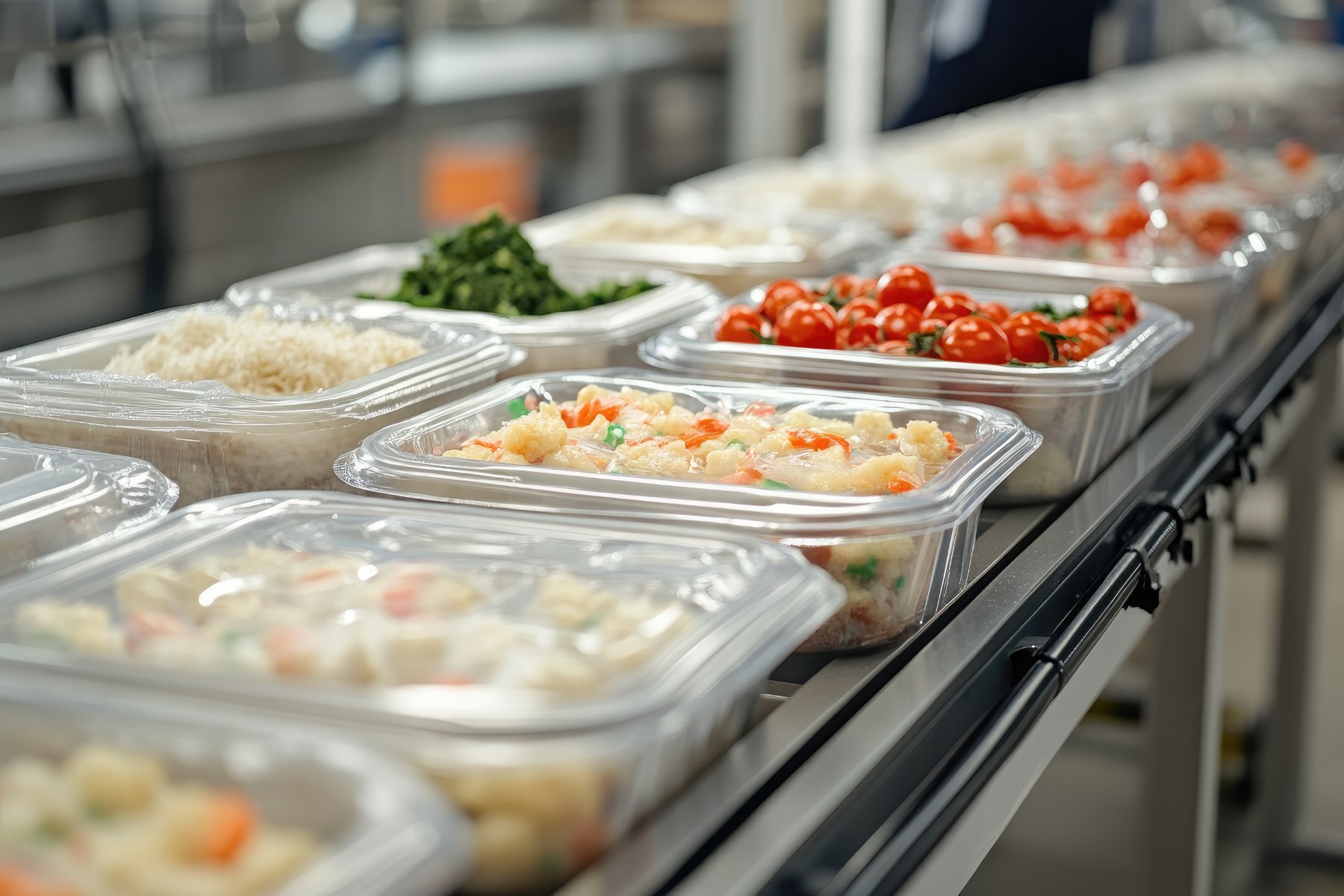
The hall where the food is prepared. Staff, equipment and open doors all move the temperature, and it must never climb above the limit.
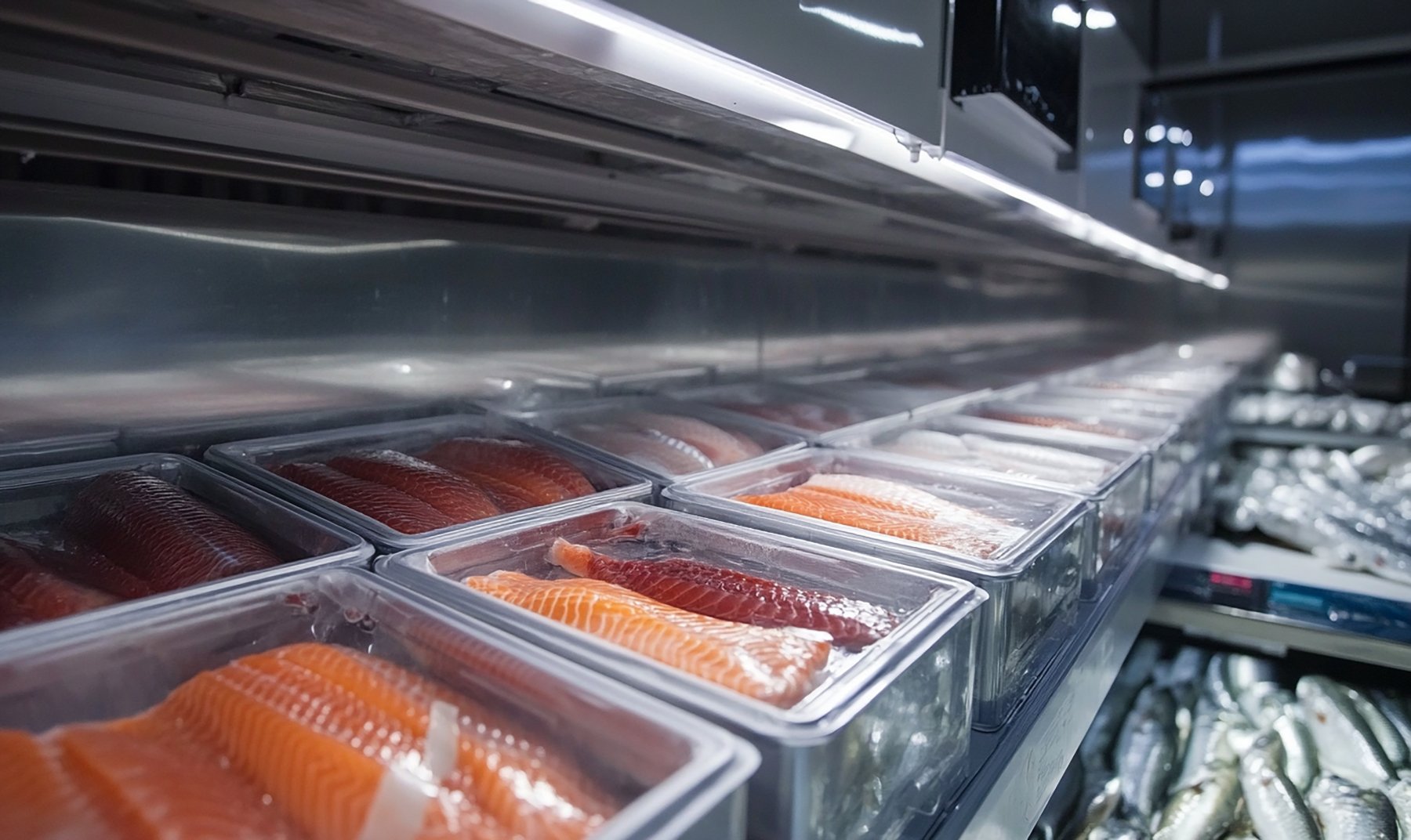
From occasional readings to a continuous record.
Nothing in the production process changed. What changed is that the conditions around it are now known at every hour.
Limits that hold
Production and storage are kept within their temperature limits on a monitored basis, not an assumed one.
Warning before risk
If a temperature moves toward its limit it is surfaced immediately, while there is still time to act.
Documentation, not memory
The full history is stored, so food safety routines and audits can be supported with actual measurements.
“We needed to be certain that the temperature and the air quality stay inside the limits, all the time. Now we are.”
Green Hill ABProduction management